
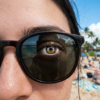
You wouldn’t spend a day at the beach without applying sunscreen, yet millions of Americans step into the sunlight daily without giving a second thought to their eyes. While skin protection has become a standard wellness habit, ocular UV safety remains dangerously overlooked. According to the Centers for Disease Control and Prevention (CDC), prolonged exposure to ultraviolet (UV) radiation without proper protection increases the risk of potentially blinding eye diseases.
Many consumers and small business owners mistakenly view vision insurance as nothing more than a discount coupon for designer frames or standard reading glasses. In reality, a robust vision policy serves as a foundational element of preventative healthcare, offering critical defense mechanisms against environmental hazards like solar radiation.
The Invisible Threat: How UV Light Impacts Your Sight
The sun emits two primary types of ultraviolet rays that reach the Earth’s surface and affect human health: Ultraviolet A (UVA) and Ultraviolet B (UVB). While UVA rays penetrate deeper into the eye’s internal tissues, UVB rays deliver higher surface energy and are heavily linked to surface-level and internal ocular damage. The danger is not limited to mid-summer afternoons; UV radiation can reflect off surfaces like concrete, sand, water, and snow, intensifying exposure even on overcast days. This makes regular defense a year-round necessity rather than a seasonal concern.
According to the National Eye Institute (NEI), chronic, unprotected exposure to these rays can lead to serious medical conditions over time:
- Cataracts: A progressive clouding of the eye’s natural lens that blurs vision. UV exposure modifies the proteins in the lens, accelerating cataract development.
- Age-Related Macular Degeneration (AMD): Prolonged UV exposure is a known risk factor contributing to the damage of the retina, leading to central vision loss.
- Photokeratitis: Essentially a temporary sunburn of the eye, causing acute pain, redness, and extreme light sensitivity.
- Ocular Surfer’s Eye (Pterygium): An abnormal growth of tissue over the clear cornea, often triggered by combined UV and wind exposure.
Comprehensive Exams: The First Line of Defense
This is where vision insurance transforms from an optional perk into an essential shield. A standard comprehensive eye exam covered by a vision insurance plan does far more than determine your lens prescription.
During an annual evaluation, an optometrist or ophthalmologist inspects the internal structures of your eye. Utilizing advanced diagnostic tools, providers can detect early signs of UV-related protein degradation in the lens or microscopic alterations in the retina before noticeable vision loss occurs. Furthermore, these exams routinely uncover systemic health conditions such as diabetes and high blood pressure, making them an integrated component of a holistic wellness program. For small business owners, offering a benefit that includes these yearly screenings helps safeguard employee productivity and long-term health, particularly for staff members who travel, commute, or work in outdoor environments.
Unlocking the Value of Lens Enhancements
Beyond the annual exam, vision insurance plans play a vital role in making high-quality, protective eyewear accessible. While standard over-the-counter sunglasses may diminish brightness, they do not automatically block harmful radiation unless explicitly labeled with a UV400 rating or 99% to 100% UVA/UVB protection.
A structured vision policy typically mitigates the out-of-pocket costs associated with verified medical-grade lens enhancements, allowing members to access specialized options through fixed copays or direct allowances:
| Enhancement Type | Mechanism of Protection | Insurance Benefit Impact |
| UV-Blocking Coating | Clear layer blocking 100% of UVA/UVB rays | Often covered in full or available at a minimal, fixed copay. |
| Photochromic Lenses | Transitions from clear to dark based on UV levels | Subsidized or covered under premium tier selections. |
| Prescription Sunglasses | Permanent tinting with complete UV integration | Covered via frame allowances and material discounts. |
Aligning Wellness and Strategy
Investing in a comprehensive vision plan is a strategic decision that bridges personal health and fiscal responsibility. Rather than navigating unexpected out-of-pocket expenses for medical eye treatments down the road, structured vision benefits offer predictable, transparent copays for preventative care and necessary hardware enhancements.
As seasonal UV levels fluctuate, taking a proactive approach to ocular health is paramount. Reviewing your current policy details or exploring employer-sponsored options can ensure you and your team are fully covered. To review specific plan coverages, network provider options, or co-pay schedules tailored to your business or family needs, consider consulting with a licensed representative at TheBenefits.Guru Insurance Services to evaluate compliant plan structures.